May.20,2026
Share:
When it comes to creating custom sports venues, two predominant methods stand out: modular and full-build approaches. Modular construction involves prefabricated components manufactured off-site and then transported for assembly on-site. In contrast, full-build construction entails traditional methods where structures are built from the ground up at the intended location. The value of understanding these approaches is profound for stakeholders in sports venue development, as choosing the right method can significantly impact project timelines, budgets, and long-term functionality.
Historically, the construction sector has evolved significantly—from the Prohibition era when standardization in construction materials and methods began to emerge, to today’s cutting-edge technology enabling mass customization. In the realm of sports venues, modular construction has gained traction over recent years, boasting benefits such as speed and cost efficiency, which are essential in an industry characterized by rapid turnovers and high public expectations.
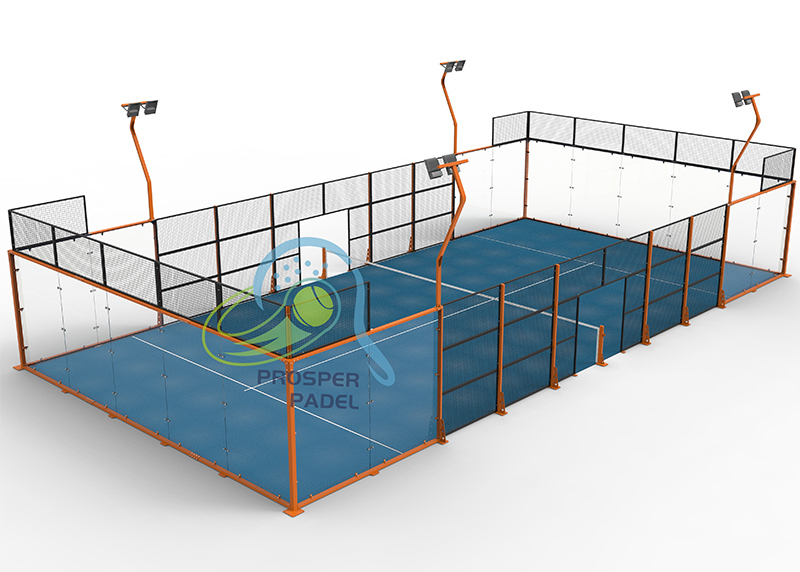
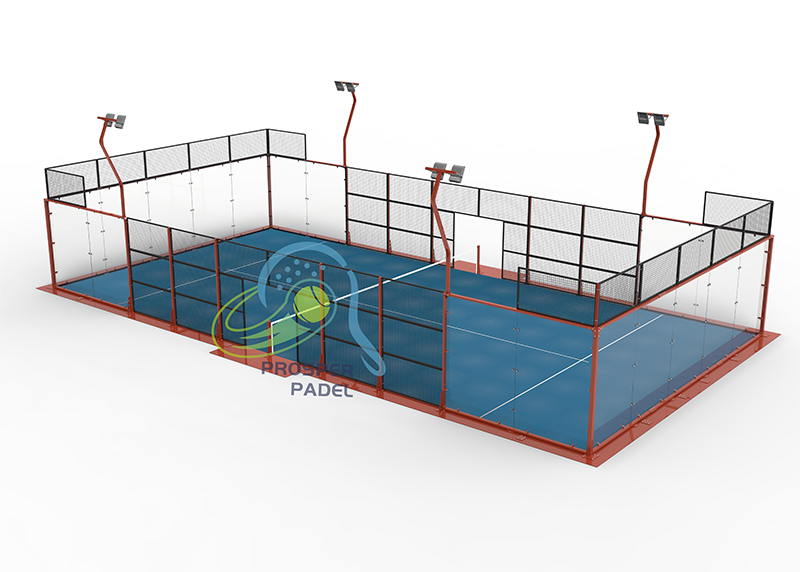
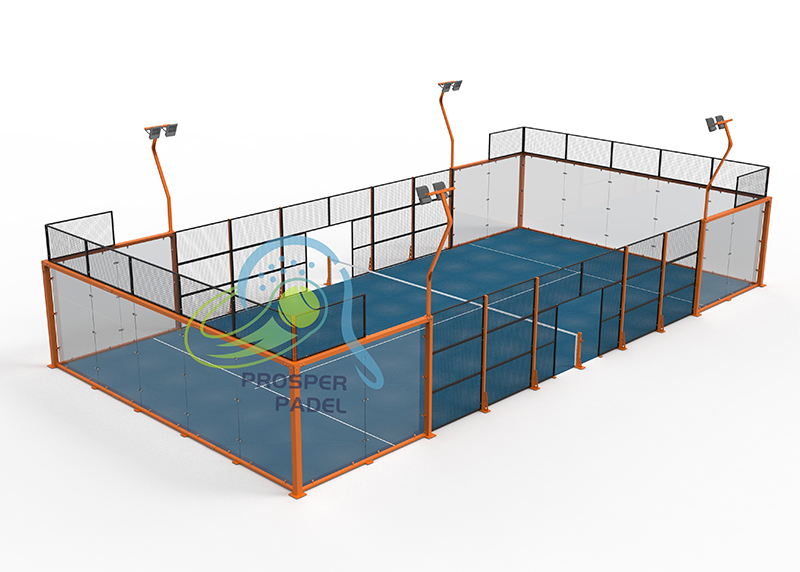
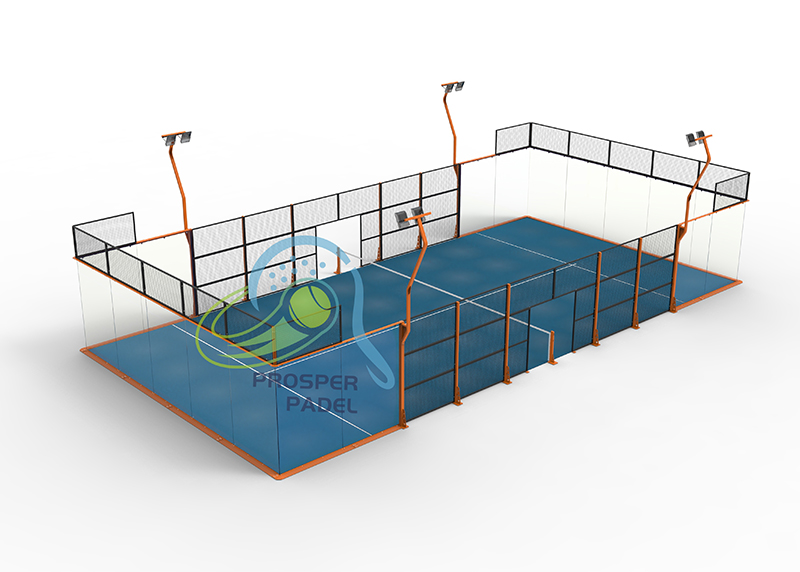
The practical uses of both these approaches can make a substantial difference to sports organizations like Prosper Padel, which requires venues that are not only functional but also aesthetically pleasing and structurally sound. A modular approach can reduce construction time by up to 50%, leading to quicker returns on investment. Furthermore, the precision of modular components—often manufactured to tolerances of 0.01mm—ensures high-quality construction that adheres to rigorous industry standards such as ASTM and DIN.
However, there are several misconceptions about these construction methodologies. One common error is assuming that modular venues are inferior in quality compared to full-build options. In reality, modular construction can meet or exceed the same durability and safety standards, making it an increasingly viable choice for high-profile sports projects. It’s also mistaken that modular is always cheaper; the final costs can vary widely depending on design complexity and site conditions.
Consider the case of a basketball arena built using a modular approach. The venue was completed in just six months, allowing the sports team to capitalize on seasonal ticket sales much sooner than if they had opted for traditional construction, which might have taken over a year. Additionally, modular venues often offer greater adaptability; as needs change, pieces can be reconfigured or expanded without significant downtime or expense.
To summarize, choosing between modular and full-build approaches for custom sports venues hinges on specific project needs, timelines, and budgets. Modular construction offers a compelling combination of speed, precision, and adaptability that can prove invaluable in today's fast-paced sports environment, while full-build methods provide a traditional approach with proven track records. Understanding these differences empowers stakeholders to make informed decisions that align with their strategic vision for their venue.
For deeper insights or personalized consultation on Comparing Modular vs Full-Build Approaches for Custom Sports Venues, consider reaching out to a specialist in the field. With the right information, you can navigate the complexities of sports venue construction effectively, ensuring optimal results for your organization.
Modular venues are generally easier to maintain and upgrade. Individual components can be replaced without major reconstruction, and upgrades such as lighting systems or fencing can be installed with minimal disruption.
Full-build venues may require more complex renovation processes. Structural changes often involve more labor and downtime, especially if the original design did not anticipate future upgrades.
Modular construction typically generates less on-site waste and reduces environmental disruption due to off-site fabrication. This makes it suitable for sensitive environments or projects with strict sustainability requirements.
Full-build construction, while more resource-intensive on-site, can be optimized with sustainable materials and green building practices. It also allows for deeper integration with natural landscapes when carefully designed.
The decision is rarely absolute. Many modern sports facilities use a hybrid approach, combining modular court systems with custom-built amenities such as clubhouses, seating stands, or landscaping features.
Modular and full-build approaches each offer distinct advantages in custom sports venue development. Modular systems prioritize efficiency, replication, and operational scalability, while full-build construction excels in customization and architectural freedom. The most successful projects increasingly combine both strategies, creating venues that are not only cost-effective and fast to deploy but also tailored to long-term brand and user experience goals.
Click To Get Your Exclusive Plan
Tianjin Juzhixin Sports Technology Co., Ltd is an innovative sports technology and import and export sales enterprise based in Tianjin and radiating its business worldwide. It is dedicated to empowering the development of the sports industry with technology
Contact Us
HOT Products

+86 189 2070 7687
Huamao Building, Binhai New Area, Tianjin
Copyright @ Tianjin Juzhixin Sports Technology Co., Ltd All Rights Reserved | Sitemap
| Powered by