May.20,2026
Share:
Understanding how site size and shape influence Custom Sports Venue design options is crucial for stakeholders looking to create functional and attractive venues. When properly considered, these factors can lead to stunning spaces that maximize utility and patron enjoyment. In this guide, I will outline clear, actionable steps you can take to effectively navigate the challenges of venue design, ensuring that your project comes to life seamlessly.
To start, it is essential to assess your site dimensions precisely, as even the smallest discrepancies can impact facility functionality. Using tools like a laser measuring device can achieve accuracy within 0.01mm, helping you define the layout and available space profoundly. This method also aligns with ASTM International standards, ensuring the measurements are reliable and can withstand scrutiny during permitting processes.
Once you have a clear idea of your site dimensions, consider how these physical characteristics shape your design options. Review the following steps:
Analyze Site Constraints: Look at the topography and surrounding developments. Is your site flat, sloped, or obstructed by nearby buildings? This assessment affects not just the venue layout, but also drainage compliance and spectator accessibility.
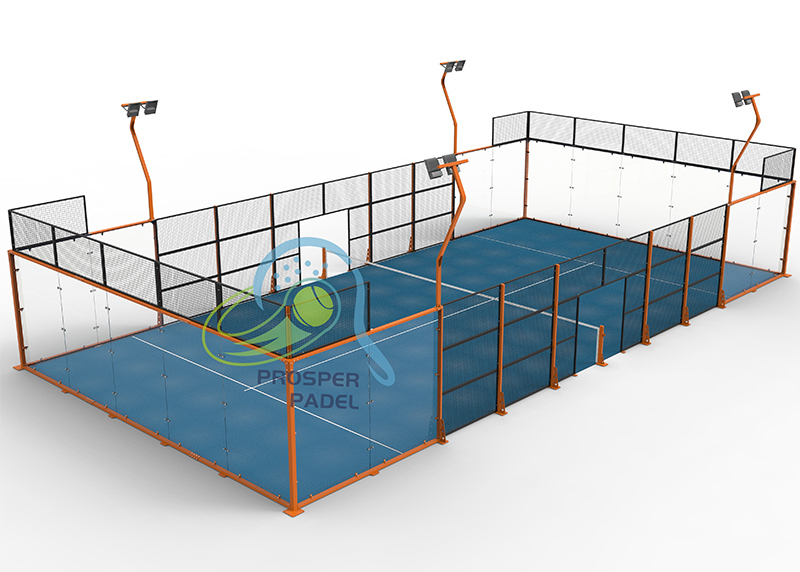
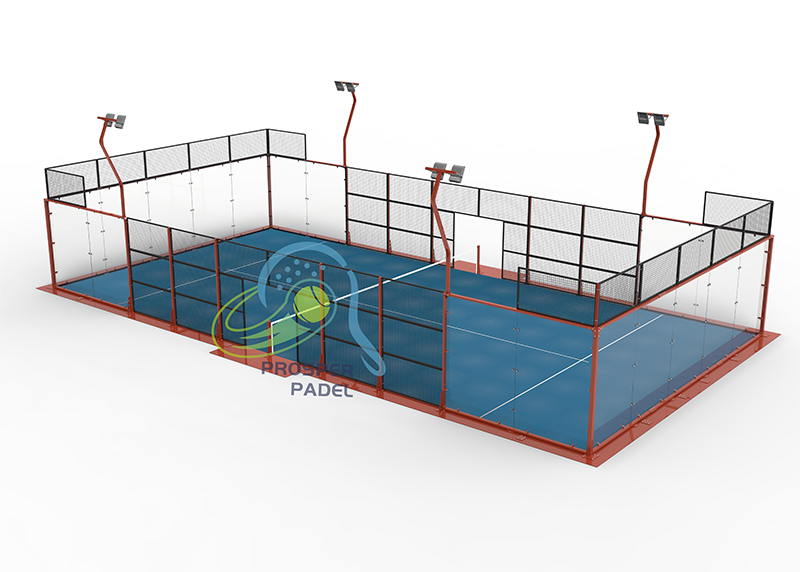
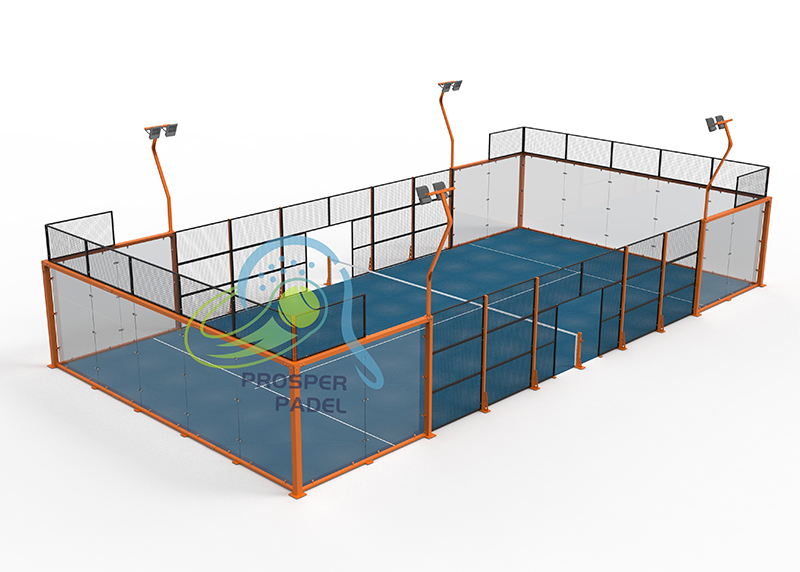
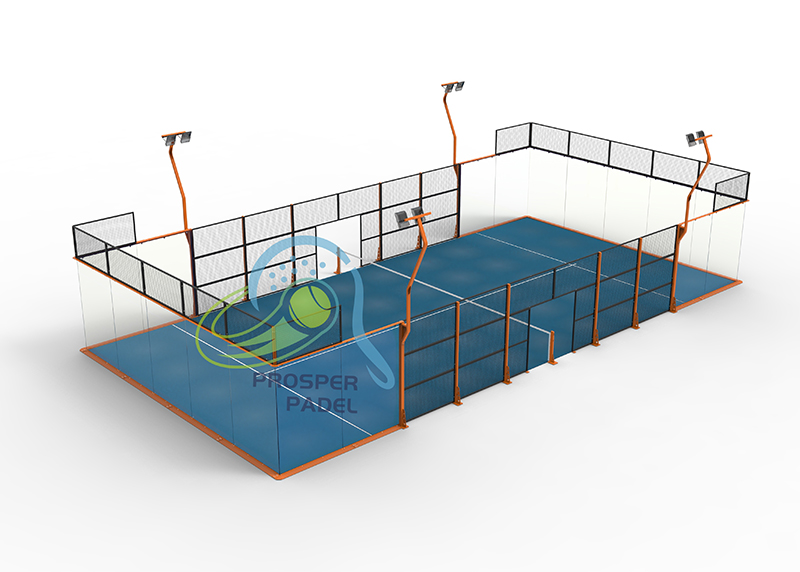
Optimize Venue Layout: Depending on the shape of your site, consider various configurations. For narrow sites, vertical construction (e.g., multi-level venues) might maximize space, while broader sites could accommodate expansive layouts like those utilized by Prosper Padel for their courts.
Consider Zoning Regulations: Research local zoning laws that dictate height, noise, and parking requirements. Working with a design firm familiar with these regulations will ensure compliance and allow you to minimize delays.
Incorporate Flexible Design: Planning for future growth or potential repurposing creates longevity for your venue. For example, modular seating arrangements can convert for various sports, enhancing the usability of the venue.
Identifying potential challenges during your venue's design stage is just as important. Common obstacles include budget overruns, delays due to zoning issues, and unforeseen site restrictions. To mitigate these risks, always maintain a contingency budget (at least 10% of your total project cost) and work closely with experienced professionals who understand the nuances of sporting venue development.
For resources, consider software tools such as AutoCAD or SketchUp. These platforms can help visualize the space and adjust designs quickly based on feedback or newly identified layout constraints.
To summarize, here are the key steps:
Now that you understand the process and its potential challenges, I encourage you to take action. Utilize these steps to begin planning your custom sports venue today, ensuring that you maximize the potential of your site while meeting the needs of your community. With tools and knowledge at your disposal, your project with Prosper Padel can successfully navigate the intricacies of custom sports venue design. Start planning now, and watch your vision come to life!
Beyond basic layout, site shape influences how courts are oriented. Proper orientation is critical for minimizing sun glare and wind disruption, especially in outdoor venues. A long east-west site may limit orientation flexibility, while a north-south orientation is generally preferred for many racket sports.
Wind patterns are also affected by shape. Narrow corridors between buildings or fencing can accelerate wind speed, impacting ball trajectory and player comfort. Designers often use windbreaks, strategic landscaping, or semi-open structures to mitigate these effects.
The geometry of a site directly impacts how users move through the venue. In constrained or irregular sites, circulation paths must be carefully designed to prevent congestion during peak usage. This includes separating player movement from spectator flow, and ensuring emergency access routes remain unobstructed.
In larger, well-shaped sites, circulation becomes an opportunity to enhance experience. Wide pathways, central plazas, and clearly defined zones improve navigation and encourage longer visitor stays. This is particularly important for commercial sports venues where foot traffic directly influences revenue.
Site shape also affects structural decisions. Uneven or sloped plots may require grading, retaining walls, or elevated foundations. Drainage design becomes especially important in non-rectangular sites, where water flow does not follow predictable paths.
Irregular shapes may increase construction complexity due to custom fabrication requirements for fencing, roofing, or lighting poles. However, modern modular sports venue systems have significantly reduced these limitations, allowing more flexibility without excessive cost increases.
From a commercial perspective, the goal is to extract maximum usability from every square meter. A well-optimized design can turn a challenging site into a high-performing sports facility.
For example, a narrow urban site can still host multiple padel courts stacked in a linear arrangement with shared infrastructure, reducing overhead costs. Similarly, irregular suburban land can be transformed into a multi-sport park by zoning different areas for different activities rather than forcing uniform layouts.
The key is early-stage feasibility analysis. When designers evaluate size and shape together from the beginning, they can identify constraints and opportunities that directly affect long-term profitability.
Site size determines how much you can build, but site shape determines how intelligently you can build it. Successful custom sports venue design depends on balancing both factors to achieve optimal space utilization, player experience, and commercial return. With modern modular construction techniques and adaptive planning strategies, even the most challenging sites can be transformed into efficient, attractive, and profitable sports facilities.
Click To Get Your Exclusive Plan
Tianjin Juzhixin Sports Technology Co., Ltd is an innovative sports technology and import and export sales enterprise based in Tianjin and radiating its business worldwide. It is dedicated to empowering the development of the sports industry with technology
Contact Us
HOT Products

+86 189 2070 7687
Huamao Building, Binhai New Area, Tianjin
Copyright @ Tianjin Juzhixin Sports Technology Co., Ltd All Rights Reserved | Sitemap
| Powered by