Apr.30,2026
Share:
Padel is one of the fastest-growing racket sports in the world, and with that growth comes increasing demand for Padel courts across clubs, sports facilities, resorts, and real estate developments. For buyers, investors, and facility planners, understanding what a Padel Court is—and how it differs from a traditional tennis court—is essential for making informed decisions.
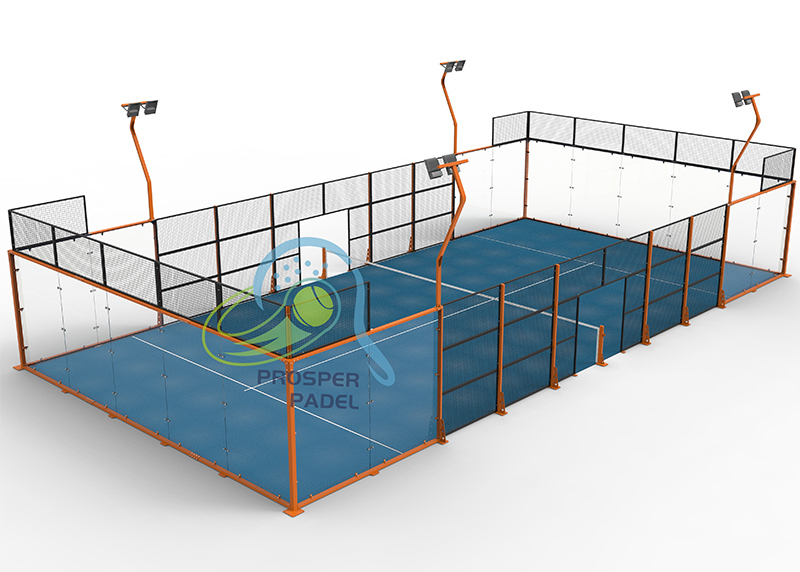
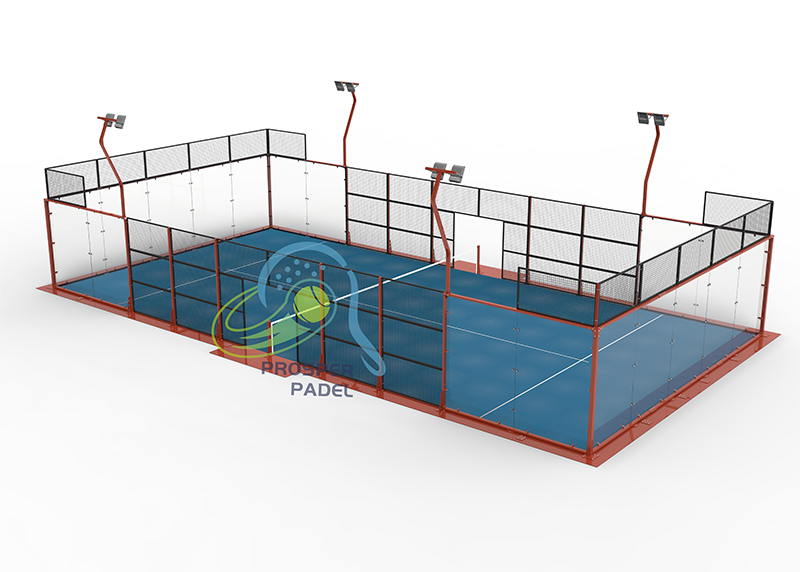
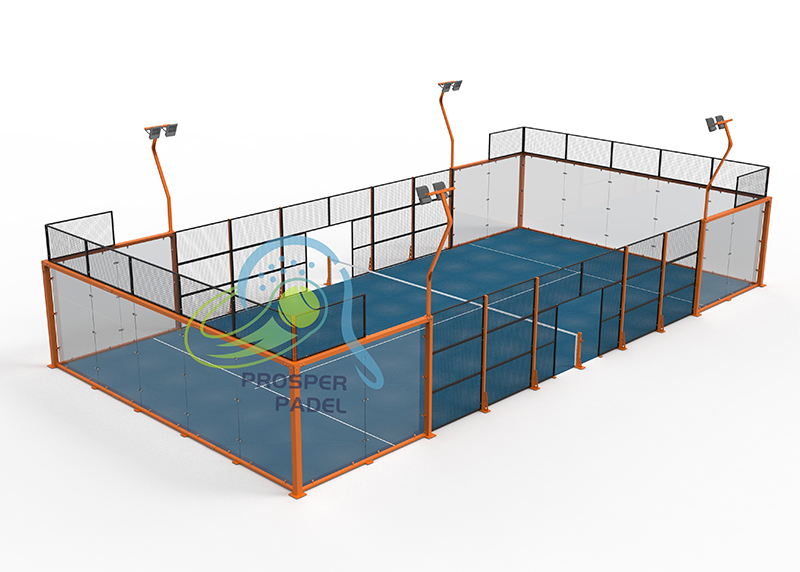
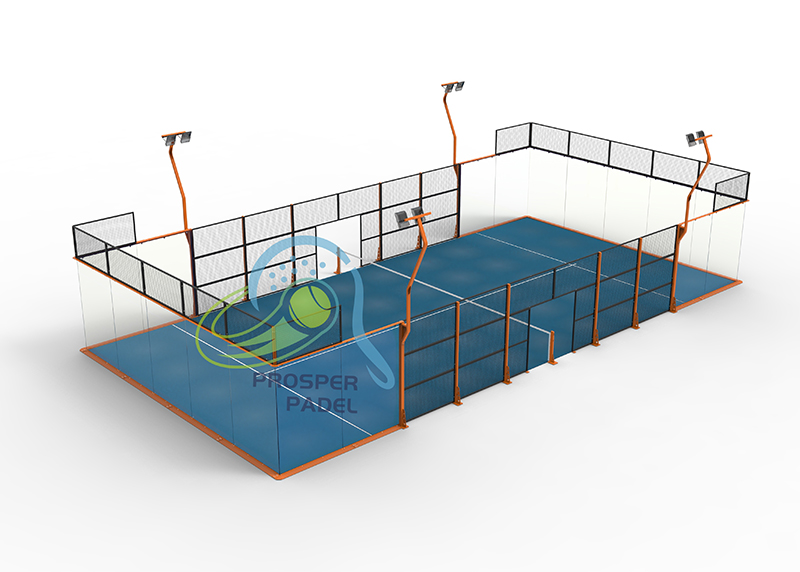
A Padel Court is a fully enclosed playing area designed specifically for padel, a doubles-focused racket sport that blends elements of tennis and squash. Unlike open tennis courts, padel courts are surrounded by glass walls and steel mesh fencing, which are actively used during gameplay.
The enclosed design creates a dynamic playing experience where the ball can rebound off walls, adding strategy and excitement.
A tennis court is a larger, open playing surface used for both singles and doubles tennis matches. It does not include enclosing walls, and the ball is considered out of play once it leaves the court boundaries.
A Padel Court is significantly smaller—about one-third the size of a tennis court—making it ideal for urban environments or facilities with limited space. This allows developers to install multiple padel courts in the footprint of a single tennis court.
The defining feature of a padel court is its enclosed design. Players can use the glass walls to return shots, similar to squash.
Padel courts typically use artificial grass systems, engineered for consistent ball bounce and player comfort. Tennis courts vary widely in surface type.
Padel is widely recognized as easier to learn:
Building a Padel Court involves modular systems that can be installed relatively quickly compared to traditional tennis courts.
While costs vary by region and specifications:
Several global trends are driving the demand:
Choosing between a Padel Court and a tennis court depends on your goals:
A Padel Court is not just a smaller version of a tennis court—it represents a fundamentally different playing experience and a powerful commercial opportunity. With its compact design, engaging gameplay, and strong market growth, padel courts are quickly becoming a preferred choice for sports facility investors and operators worldwide.
Is a padel court smaller than a tennis court?
Yes, a padel court is about one-third the size of a tennis court.
Can you play singles on a padel court?
Padel is primarily designed for doubles; singles play is uncommon.
What surface is best for a padel court?
Artificial turf with sand infill is the industry standard.
How long does a padel court last?
With proper maintenance, a high-quality padel court can last 10–15 years or more.
Are padel courts profitable?
Yes, due to high usage rates, social appeal, and efficient space utilization.

Click To Get Your Exclusive Plan
Tianjin Juzhixin Sports Technology Co., Ltd is an innovative sports technology and import and export sales enterprise based in Tianjin and radiating its business worldwide. It is dedicated to empowering the development of the sports industry with technology
Contact Us
HOT Products

+86 189 2070 7687
Huamao Building, Binhai New Area, Tianjin
Copyright @ Tianjin Juzhixin Sports Technology Co., Ltd All Rights Reserved | Sitemap
| Powered by